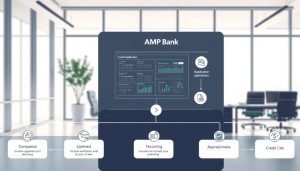
Before you start the process of getting a personal loan, it’s key to have the right advice. In Canada, knowing the basics of personal loans and how to apply wisely is vital. This part will cover important steps like figuring out your financial needs and looking at different options. This way, you can make smart choices.
Getting all the information you need early on can help you get a loan that fits your situation well.
Understanding Personal Loans: Basics and Types
Personal loans are a handy financial tool for many needs. They come in two main types: secured and unsecured. Secured loans need collateral, like a home or car. Unsecured loans don’t need collateral but might have higher interest rates.
Debt consolidation loans help combine multiple debts into one. This can lead to better terms and lower rates. On the other hand, payday loans offer quick cash but come with high fees and should be used carefully.
It’s key to understand personal loan terms to make smart choices. Interest rates change based on your credit and the market. Knowing the best rates can save you money. Also, knowing the personal loan eligibility criteria in Canada can improve your chances of getting a good loan.
Evaluating Your Financial Needs
Before you apply for a personal loan, it’s important to evaluate your financial needs. You need to ask yourself how much money you need, why you need it, and if you can pay it back. Knowing your loan’s purpose helps make your decision easier.
Creating a budget is a smart move. It helps you see your monthly costs and what you really need versus what you want. By budgeting well, you can figure out how much you can afford to repay. Also, knowing your debt-to-income ratio shows how much of your income goes to loans.
Getting advice from a financial expert is also a good idea. A reliable loan advisor can help you make choices that fit your financial goals. With these steps, you can confidently apply for a loan.
Checking Your Credit Score
Before you apply for a personal loan, it’s key to know about credit scores. A credit score shows how good you are at managing money. It’s important for getting a loan.
There are a few things that make up your credit score. These are how you’ve paid bills, how much credit you use, and how long you’ve had credit. Each part affects your score and what loan offers you get.
You can check your credit score for free. Websites and banks offer this service. Understanding your score helps you know how it affects loans.
Higher scores mean better loan deals. Lower scores might mean higher interest rates or no loan at all.
Getting a good personal loan in Canada starts with a good credit score. You can improve your score by paying bills on time and paying off debts. This way, you’ll get better loan rates.
Comparing Loan Options
When looking at personal loan options, knowing the key factors can save a lot. Interest rates are a big part of the loan cost. It’s important to find the best rates from different lenders.
Fees also add to the loan cost. Always read the fine print for any extra charges. The length of the loan affects monthly payments and total interest. Check for prepayment penalties too, as they can impact early payments.
Online tools and calculators can help when choosing a loan. They let you see how different rates and terms affect your costs. Websites that compare loans side by side make it easier to find the best one.
Using personal loan tips can make the process easier. Understanding each loan’s terms is key to making a good choice. The right loan can help you reach your financial goals without breaking the bank.
*You will remain on this site.
Preparing Your Loan Application
To apply for a personal loan, you need to prepare well. You’ll need to gather important documents like proof of income and employment history. Also, tax returns and valid ID are necessary. Each document is key to your application and must be correct and complete.
It’s very important to fill out the application accurately. Any mistakes or missing info can cause delays or even a loan denial. Lenders value applicants who double-check their details. This shows you’re responsible with money.
After you apply, it’s a good idea to follow up with the lender. This confirms they’ve got all your paperwork and are working on it. Talking to the lender can speed things up and clear up any doubts about your application.
Managing Your Loan Responsibly
Managing personal loans well is key to keeping your finances stable. After getting a loan, making payments on time is crucial. This helps avoid extra fees and keeps your credit score healthy. Creating a budget that includes loan payments helps track your spending and ensures you have enough money for payments.
Having a plan for loan repayment can ease financial worries. Setting up automatic payments is a smart move. It helps avoid late fees and lets you focus on other financial tasks. If money gets tight, talking to your lender is important. They might offer ways to pause or change your payments.
It’s also important to know the details of your loan agreement. Understand the interest rates, when payments are due, and what happens if you miss a payment. Getting advice from reliable financial sources can help you manage your loan better. This way, you can keep up with payments and improve your financial health in the long run.